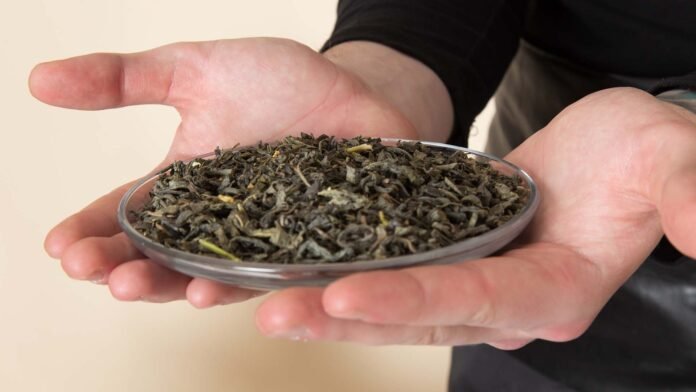
There is something deeply grounding about holding a warm cup of tea that has traveled thousands of miles and potentially decades to reach your table. Among all the varieties in the world, few carry as much mystery and prestige as the teas coming out of the mist-covered mountains of Southwest China. If you have been exploring the world of specialty tea for a while, you have likely crossed paths with the bold, transformative nature of pu erh tea yunnan.
At teanleaf, we believe that tea isn’t just a beverage; it’s an experience that evolves. Unlike green or white teas that are prized for their fleeting freshness, this specific category of tea is famous for its ability to age, improve, and develop a “soul” over time.
The Birthplace of the Ancient Tea Tree
To understand this tea, you have to understand its home. Yunnan province is often considered the cradle of tea. It is a land of incredible biodiversity, high altitudes, and ancient forests where tea trees—not just bushes—have grown for centuries.
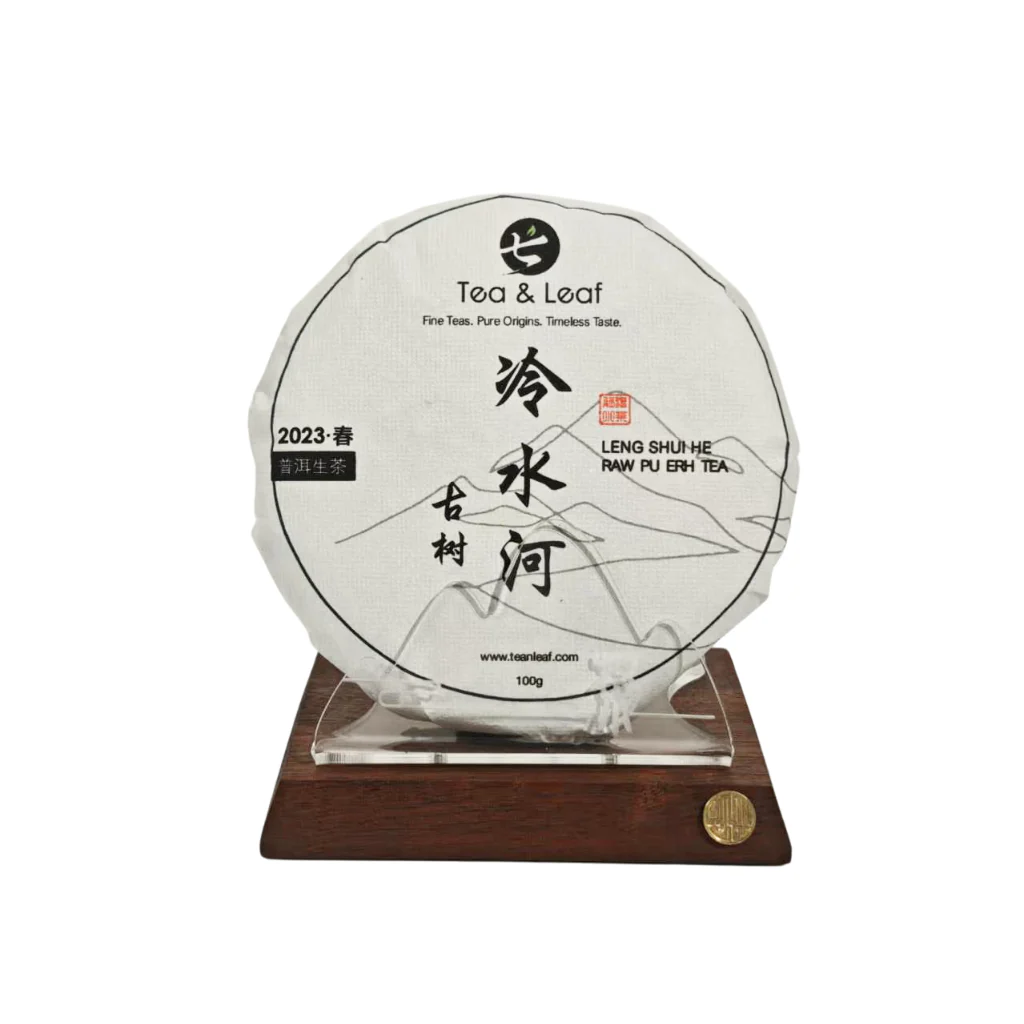
The unique terroir here provides the leaves with a rich mineral content and a sturdy structure that allows them to undergo a complex fermentation process. When we talk about pu erh tea yunnan, we are talking about a product that is legally protected by its geography. Much like Champagne must come from France, true Pu Erh must come from this specific region to carry the name.
The Raw and the Refined: Understanding Sheng
When beginners first start their journey, they often encounter two main types: Raw and Ripe. However, for those seeking the most traditional and vibrant experience, sheng pu erh tea is the star of the show.
“Sheng” translates to raw or green. In this style, the leaves are withered, pan-fired to stop some oxidation, and then sun-dried. What makes sheng pu erh tea so fascinating is that it is essentially a “living” tea. Because the enzymes are not completely neutralized by high heat, the tea continues to ferment naturally over years and decades.
A young version of this tea might taste punchy, floral, and even a bit astringent, similar to a very strong green tea. But as it sits in a collector’s cellar, it transforms. The color of the tea liquor shifts from a pale gold to a deep, glowing amber, and the flavor mellows into notes of honey, camphor, and dried apricots.
Why Tea Enthusiasts Obsess Over the Aging Process
Why wait ten years to drink a cup of tea? The answer lies in the mouthfeel and the “body feel.” As the tea ages, the tannins break down and soften. This creates a texture that feels thick, almost like silk or cream, on the tongue.
Expert drinkers also look for something called “Cha Qi,” or the tea’s energy. Many people find that a high-quality sheng pu erh tea provides a focused, meditative state that is very different from the jittery buzz of coffee or standard black tea. It’s a slow-release clarity that keeps you grounded throughout the day.
Brewing for the Best Experience
To truly appreciate the nuances of these leaves, the way you brew matters. While a standard teapot works, using a Gaiwan (a small lidded bowl) is the preferred method at teanleaf.
- Use boiling water: These sturdy leaves from Yunnan can handle the heat.
- The Rinse: Pour hot water over the leaves and discard it immediately. This “wakes up” the compressed leaves and washes away any dust.
- Multiple Steeps: Don’t just brew it once! A good quality leaf can be steeped 10, 15, or even 20 times. Each round will reveal a different layer of the tea’s personality.
Frequently Asked Questions
What is the difference between Sheng and Shu Pu Erh?
Sheng is “raw” tea that ages naturally over a long period. Shu is “ripe” tea, which undergoes an accelerated fermentation process to mimic the taste of an aged tea in just a few months. Sheng is often more complex and collectible, while Shu is earthy and mellow.
How should I store my tea at home?
The key is to let it breathe but keep it away from strong smells. Avoid airtight containers like tin or glass if you plan on aging it. A simple ceramic jar or even the original paper wrapping in a cool, stable environment is usually best.
Does the age of the tree matter?
Yes! Many enthusiasts seek out “Gushu” or ancient tree tea. Trees that are hundreds of years old have deeper root systems, which pull more minerals from the soil, resulting in a deeper flavor and a more lingering aftertaste compared to plantation bushes.
Is it normal for the tea to be pressed into bricks or cakes? Absolutely. Historically, tea was pressed into cakes to make it easier to transport via horse caravans on the Ancient Tea Horse Road. Today, pressing the tea helps regulate the aging process by controlling the amount of surface area exposed to oxygen.
Closing Thoughts on Your Tea Journey
The world of Yunnan tea is vast, and there is always something new to learn. Whether you are drawn to the fiery energy of a young harvest or the serene wisdom of a decades-old cake, there is no wrong way to enjoy your brew. At teanleaf, we invite you to take it slow. Pull out your favorite cup, watch the leaves unfurl, and taste the history of the mountains in every sip.