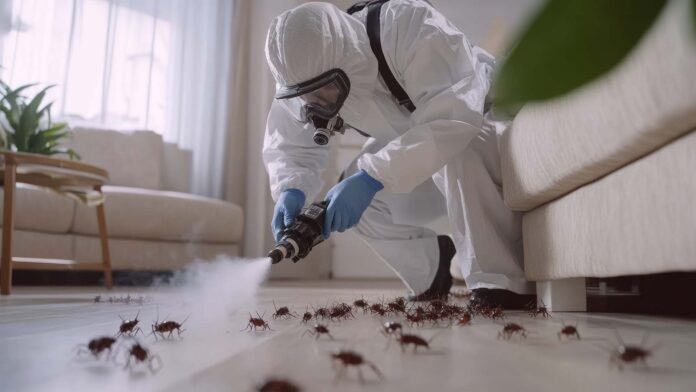
In Mumbai there are a lot of people who do not have independent homes.
They are housed in housing societies.
High-rise apartments. Basements shared. Drainage systems that are connected. common garbage zones. Shared plumbing shafts. Basement parking.
The interconnectedness of the infrastructure means that pest control is a shared responsibility, not a single one.
If one unit is not taking care of the pest control program, the whole structure is at risk.
Housing society committees and the RWA (Resident Welfare Associations) organized pest control is no longer an option. It’s a priority for maintenance.
Why Individual Flat-Level Pest Control Is Not Enough
Many homeowners hire pest control for their home on their own. Although this can be helpful within a home, it does not tackle common areas like:
- Basements
- Lines for drainage
- Rooms for garbage collection
- Lift shafts
- Electrical conductors
- Parking areas
- Tanks for water in the Terrace
Rodents, cockroaches, and termites travel through the infrastructure shared by all.
If there is no societal-wide pest control service the cycle of reinfestation continues.
Professional pest control professionals in Mumbai must consider the whole ecosystem and not only isolated components.
The Most Common Pest Problems in Housing Societies
1. Cockroach Infestation
Cockroaches can be found along drains as well as utility shafts.
Even if one person is conducting the cockroach control in their kitchen, the neighboring units let breeding cycles continue.
2. Rodent Activity in Basements
Garages in basements and garbage disposal areas are a magnet for rodents.
Control of rodents in housing associations require:
- Sealing of entry points
- Monitoring stations
- Inspection of drainage
- Waste management coordination
Rodents that chew on electrical wiring in parking areas can cause grave safety risks.
3. Termite Spread Through Structural Gaps
Termites are often introduced via soil contact points near foundations.
In older structures that do not have termite treatment prior to construction the treatment for termites in Mumbai should be carried out across the entire building not within one flat.
4. Mosquito Breeding During Monsoon
Clogged drains, terrace tanks and stagnant water accumulation increases the mosquito population.
Pest control programs that prevent pests help to reduce the risk of seasonal outbreaks.
Why Monsoon Planning Is Critical for Societies
Mumbai’s monsoon increases pest activity.
Society committees are required to conduct pre-monsoon inspections to check:
- Blockage in the drain
- Water seepage in the basement
- Contact points with the soil
- Garbage overflow problems
- Cracks in the foundations
Controlling pests and insects in Mumbai prior to heavy rain reduces the number of emergency calls during monsoons that occur.
The Cost of Ignoring Society-Level Pest Management
If pest control is not centralized, it can result in:
- Residents are complaining more frequently.
- Common property is damaged
- The electrical hazards posed by rodents
- Structural termite damage
- Negative perceptions of the maintenance of property
- Value of resales reduced
Buyers looking to invest in a building should evaluate its sanitation and maintenance standards prior to making a decision to invest.
Societies that use established pest control programs appear more secure and well-managed.
Building-Wide Pest Control Strategy: What It Should Include
A reputable commercial pest control program for housing societies must include:
1. Quarterly Common Area Treatment
Includes:
- Basements
- Garbage rooms
- Chambers for drainage
- Rooms for lift machines
- Electrical panels
2. Rodent Monitoring Program
The bait station is strategically located that have inspection logs.
3. Drain Treatment for Cockroach Prevention
Specific gel-based applications instead of excessive spraying.
4. Termite Inspection Program
Annual termite audits for structural and foundation zones.
5. Eco Friendly Pest Control Options
Nowadays, societies are increasingly opting for low-toxicity approaches to reduce exposure in common areas.
Communication Is Key
Society committees must:
- Inform residents prior to the scheduled pest control
- Share safety guidelines for sharing
- Encourage simultaneous flat-level treatment
- Maintain documentation records
Transparent communication improves collaboration and increases the chances of success in treatment.
Why Eco Friendly Pest Control Works Better in Societies
Living spaces shared by people increase the susceptibility to exposure to chemicals.
Eco-friendly pest control solutions help to reduce:
- Strong odor complaints
- Indoor air discomfort
- Risk for elderly residents
- Children’s exposure to common spaces
Professional pest control services that use techniques for application controlled are great for buildings with a high density of inhabitants.
The Role of Documentation
Societies should ensure:
- Treatment schedules
- Inspection reports
- Monitoring logs of a rodent
- Termite audit records
This document can be used to assist:
- Insurance claims
- Structural repair disputes
- Requests for property resales
- Resident complaint resolution
Pre Construction Termite Treatment in New Developments
New housing developments are increasingly incorporating termite treatments prior to construction to safeguard foundations.
Society committees that have recently constructed structures must confirm that they have implemented this and obtain documentation from builders.
The benefits of preventive measures greatly reduce the potential risk.
Long-Term Financial Benefits for Societies
Pest control services that are centralized are cheaper than numerous emergencies.
If societies sign annual agreements to control pests in Mumbai the city, they gain:
- Cost per unit lower
- Scheduled inspections
- Continuous monitoring
- A lower incidence of incidents of emergency
This safeguards the common maintenance fund and helps to reduce sudden cost spikes.
Final Thoughts
In Mumbai’s living ecosystem that is vertical the control of pests is not an individual responsibility.
It’s a structural obligation.
Housing societies that provide coordinated pest control strategies safeguard:
- Health of the resident
- Value of property
- Structural Integrity
- The reputation of the community
From cockroach removal services in drainage systems to rodent-control services in basements as well as termite treatments in Mumbai foundations Building-wide management can provide long-term stability.
Since shared living is a common area the possibility of one corner being untreated could be detrimental to each floor.
Preventing is always simpler than fixing.