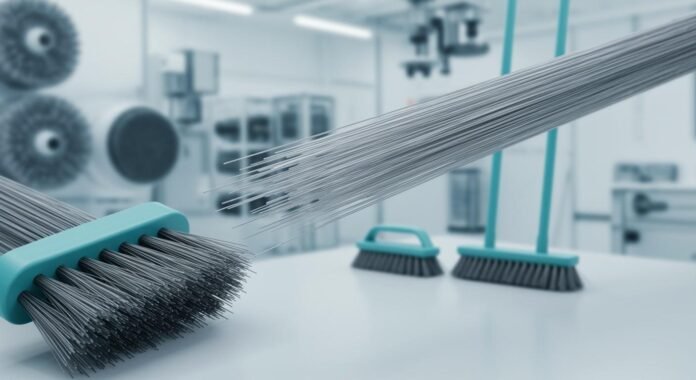
Grab a newly purchased broom, put it through a heavy weekend of scrubbing, and watch exactly what happens. While some tools bounce back looking brand new, cheap alternatives immediately fray, flatten out, and lose their sweeping power. We have all experienced the frustration of throwing away a cleaning tool after just a few weeks of use. The secret behind true resilience has nothing to do with the handle design or how aggressively you scrub. It all comes down to the quality of the raw materials. For manufacturers looking to dominate retail shelves, selecting the proper monofilament bristle for household brushes is the absolute most important decision they can make.
The Economics of Durability and Brand Trust
Building a loyal customer base requires delivering consistent, undeniable value. If a consumer buys a scrubbing brush that falls apart after washing a single car, that brand instantly loses a future buyer. In today’s highly connected market, one poorly made batch of products can lead to a flood of negative online reviews, damaging a company’s reputation for years.
According to a comprehensive guide on customer retention retaining existing buyers is vastly more profitable than constantly spending marketing dollars to acquire new ones. In the hardware and cleaning sector, product reliability is your ultimate retention tool. Shoppers might not understand the complex chemical makeup of polymers, but they absolutely notice when a product actually lasts. When manufacturers prioritize premium filaments, they stop selling cheap disposable items and start selling long-term household solutions.
Chemical Resistance and Daily Wear
Cleaning tools are subjected to incredibly harsh environments. They are routinely dunked into buckets of scalding hot water, soaked in bleach, and exposed to aggressive floor degreasers. Substandard plastics degrade quickly under these conditions. They become brittle, snap off, and leave annoying plastic residue behind.
High-grade synthetic filaments are specifically engineered to withstand heavy chemical exposure. Materials like Polypropylene offer fantastic resistance to acids and alkalis, ensuring the fibers remain strong and flexible regardless of the cleaning agents used. This chemical stability is exactly why upgrading your material sourcing instantly elevates the lifespan of the finished product.
Engineering the Perfect Sweep
Producing high-quality cleaning equipment involves a delicate balance of physical engineering. You need materials that are tough enough to scrape away dried grime from a tile floor, yet flexible enough to maneuver gracefully into tight corners and baseboards.
This is where advanced synthetic extrusion truly shines. By controlling the exact polymer mix during production, suppliers can create fibers with highly specific stiffness levels. When businesses source a dependable monofilament bristle for household brushes, they guarantee that every single unit rolling off the assembly line meets strict, repeatable performance criteria. Bend recovery is perhaps the most crucial metric here. This refers to the material’s ability to snap back to an upright position after being heavily bent. Without excellent bend recovery, brooms quickly develop a permanent “lean” that renders them entirely useless.
Why Consistency in Extrusion Matters on the Factory Floor
Beyond consumer satisfaction, high-grade filaments drastically improve the manufacturing process itself. Low-quality fibers often suffer from highly inconsistent diameters. One batch might be slightly too thick, while the very next spool is entirely too thin.
These minor visual variations cause major headaches on the factory floor. Uneven fibers can easily jam high-speed tufting machinery, slow down daily production speeds, and lead to massive amounts of material waste. Partnering with an expert supplier ensures uniform thickness across every single inch of the spool. Smooth, uniform filaments feed flawlessly into automated manufacturing equipment. This reduces machine downtime and allows factories to maximize their daily output without ever sacrificing the integrity of the final product.
Meeting Diverse Consumer Demands
Modern cleaning requires specialized, task-specific tools. A soft-bristled sweeping brush used on delicate hardwood floors needs entirely different characteristics than a heavy-duty push broom used to scrub a concrete driveway.
Synthetic filaments allow for incredible versatility. Manufacturers can opt for flagged ends—where the tips are mechanically split into microscopic fibers—to easily trap fine dust, flour, and pet hair. Alternatively, thick, unflagged strands are the perfect choice for aggressive outdoor scrubbing. By simply switching up the filament profile, a single factory can easily diversify its product line to capture entirely different segments of the market.
Elevating Your Manufacturing Standards
Standing out in the highly competitive home goods market requires a strict commitment to excellence from the ground up. You simply cannot build a top-tier product using bottom-tier materials. The components you choose define your brand’s legacy.
By integrating premium monofilament bristle for household brushes into your manufacturing process, you elevate your entire product catalog. It leads to smoother production runs, superior end products, and ultimately, much happier customers who will return to your brand again and again. If your business is ready to upgrade its manufacturing materials, reduce production waste, and increase customer satisfaction, partner with an industry-leading supplier today. Reliable sourcing is the very first step toward building cleaning tools that consumers actually trust.